
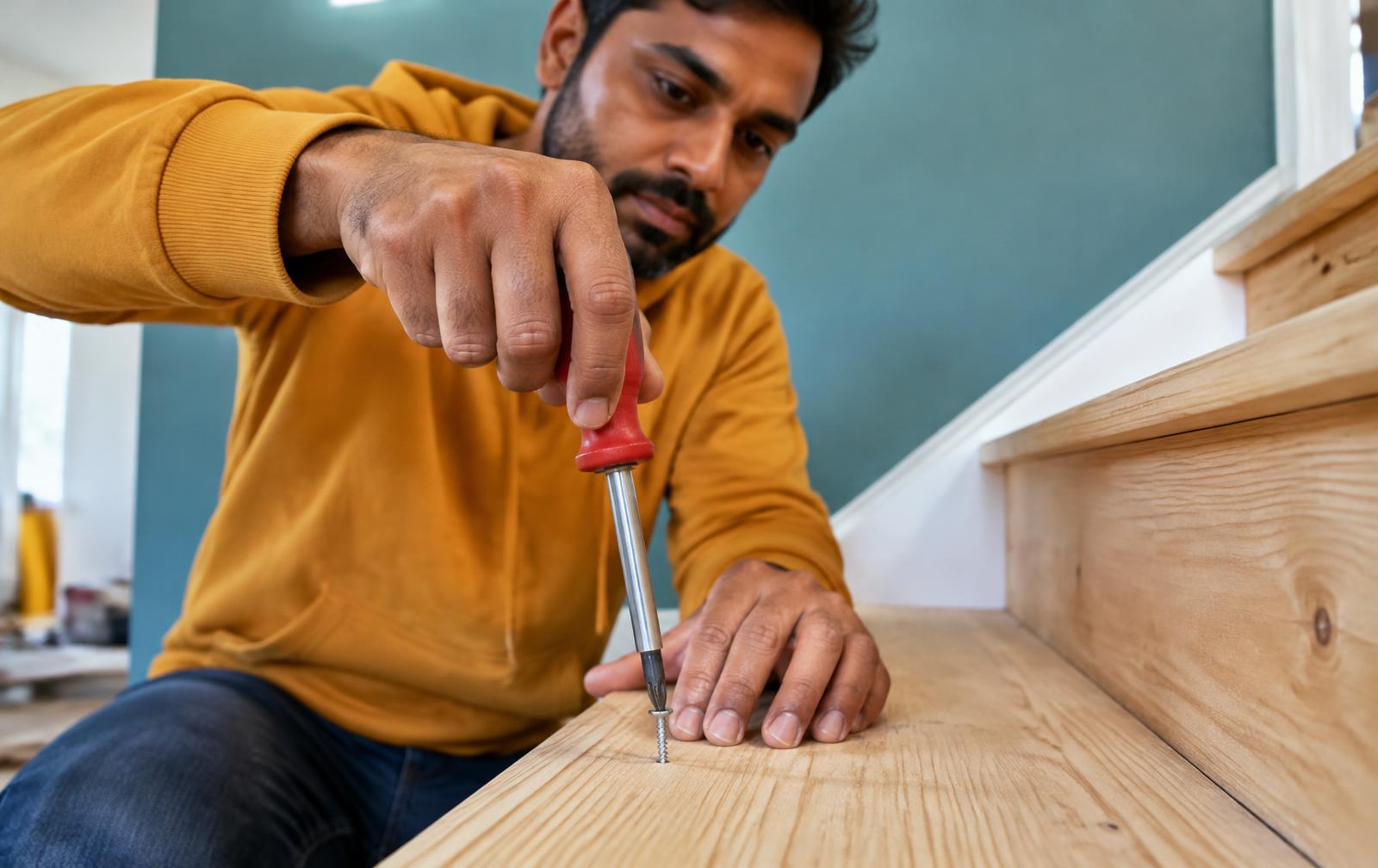
What do the Robertson colours mean?
Robertson (square-drive) screwdrivers and bits are often colour-coded by size so you can grab the right one without reading the tip. The colours are a widely used convention rather than a legal standard, so always confirm the size marked on the tool. The common pattern is:
- **Orange — #00:** very small screws, roughly #1 to #2 gauge. - **Yellow — #0:** small screws, roughly #2 to #4 gauge. - **Green — #1:** #5 to #7 gauge screws, including many hinge, hardware and electrical device screws. - **Red — #2:** #8 to #10 gauge screws, the most common size for decking, framing, cabinets and general construction. - **Black — #3:** #12 to #14 gauge screws used for heavier structural and lag-style fastening.
If you only buy one, buy a red #2. It drives the majority of construction and deck screws sold in Canada.
A short Canadian story
Peter L. Robertson patented his square-socket screw in Canada in the early 1900s and built a factory in Milton, Ontario. The tapered square recess holds the screw on the tip and resists cam-out, which is why Canadian trades still reach for it first. Today the drive is common across North America, but it remains a distinctly Canadian staple.
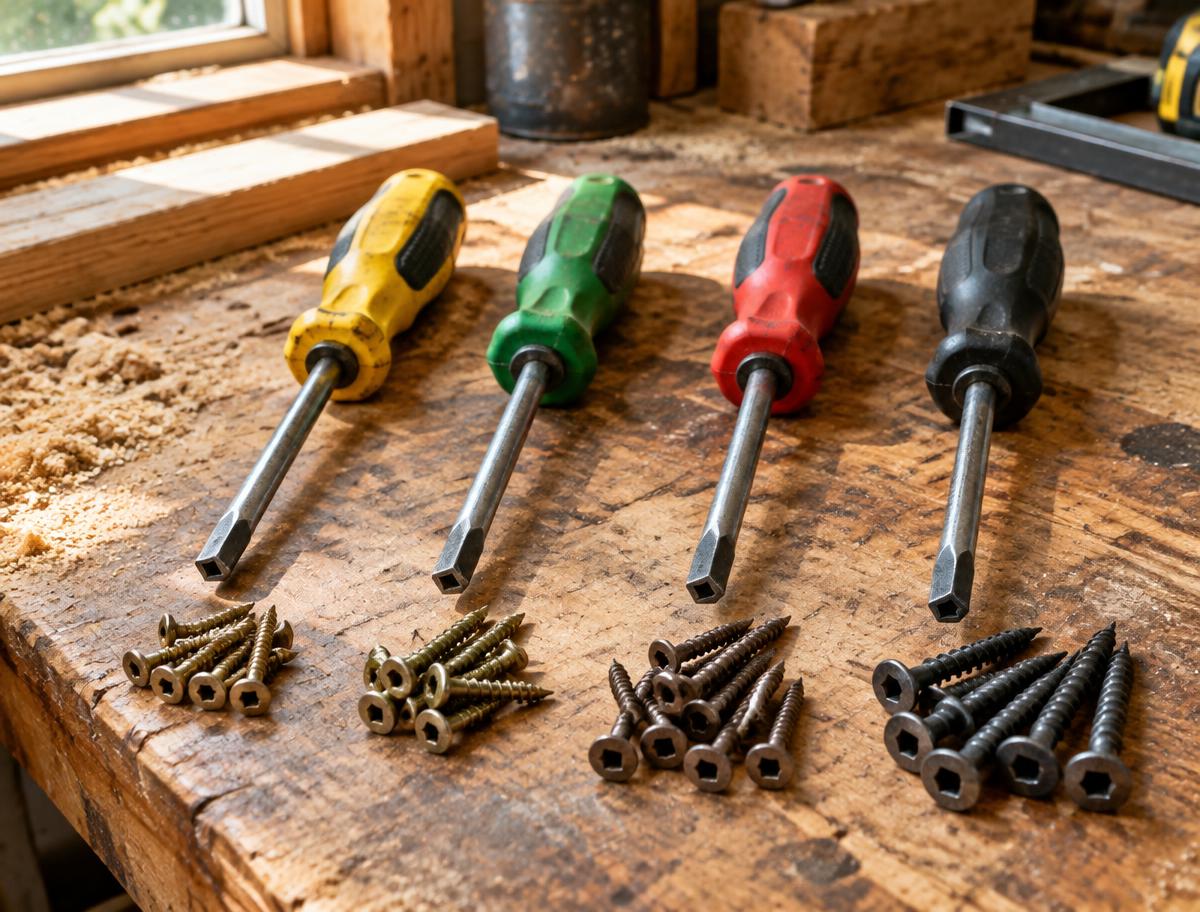
Robertson size chart
| Colour | Size | Typical screw gauge | Common applications |
|---|---|---|---|
| Orange | #00 | #1–#2 | Small hardware, electronics, hobby work |
| Yellow | #0 | #2–#4 | Light hardware, small brackets, trim fittings |
| Green | #1 | #5–#7 | Hinges, outlet and switch plates, light fixtures |
| Red | #2 | #8–#10 | Decking, framing, subfloor, cabinets, general construction |
| Black | #3 | #12–#14 | Heavy fastening, ledgers, structural screws |
Fastener makers vary, so a #8 screw from one brand may fit better with a different tip than a #8 from another. Test the fit: the tip should seat fully and the screw should hang on the bit without wobbling.
Matching the tip to the screw
A loose fit is the main cause of stripped heads. When the tip is too small it spins in the recess; when it is too large it never seats. Push straight in line with the screw, keep steady pressure and let the square recess do the work. Worn bits with rounded corners should be replaced rather than forced.

Hand driver or impact driver?
A hand screwdriver gives the most feel for small, finish-sensitive screws such as hinges and cover plates. For long deck and structural screws, an impact driver with an impact-rated square bit is faster and easier on your wrist. Many contractors carry both: a red and green hand driver in the pouch and a bit holder loaded with #2 and #3 bits for the impact.
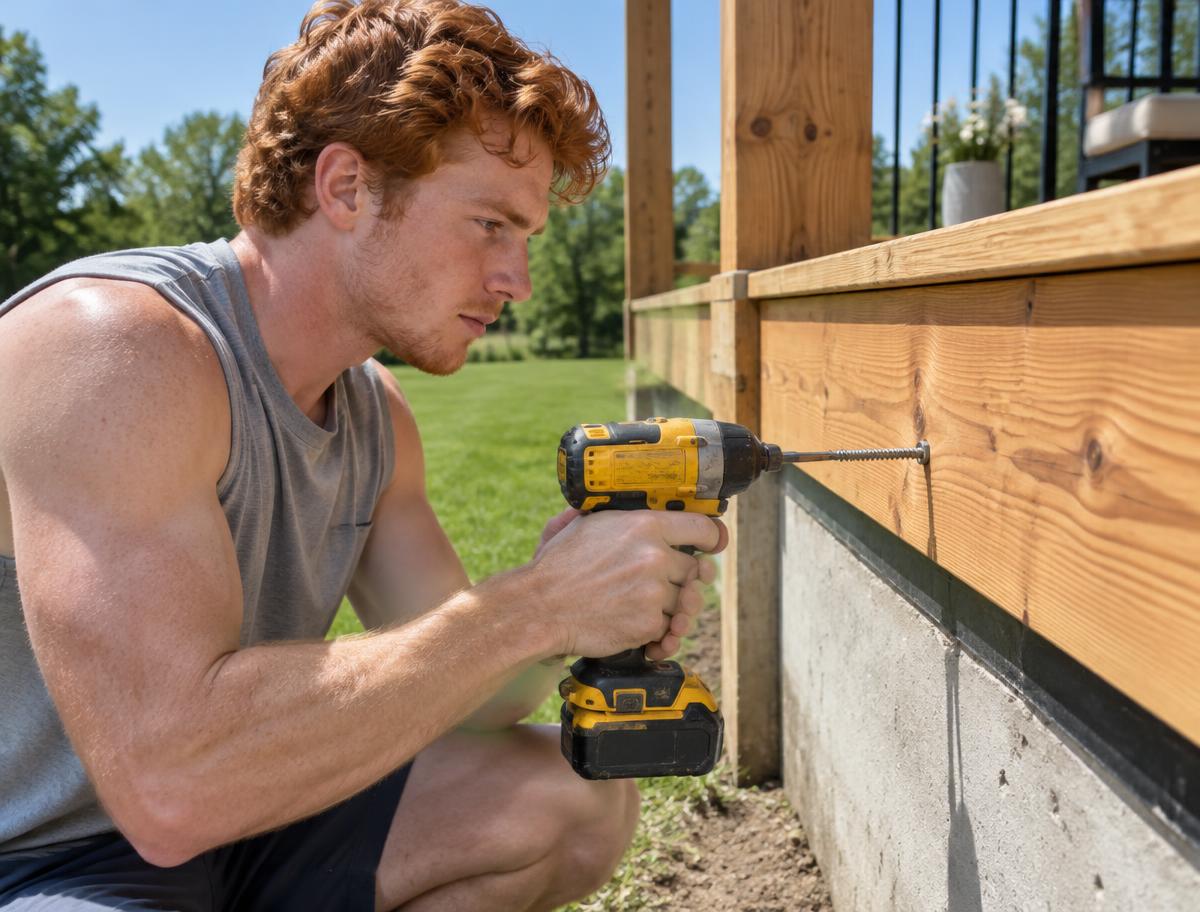
Robertson vs. Phillips vs. Torx
Robertson holds the screw well and is quick to engage, which makes it ideal for one-handed starts on a ladder. Phillips is still common on household hardware. Torx-style drives handle high torque and are increasingly used on structural screws. For a full comparison, read our guide to Robertson vs. Phillips vs. Torx.
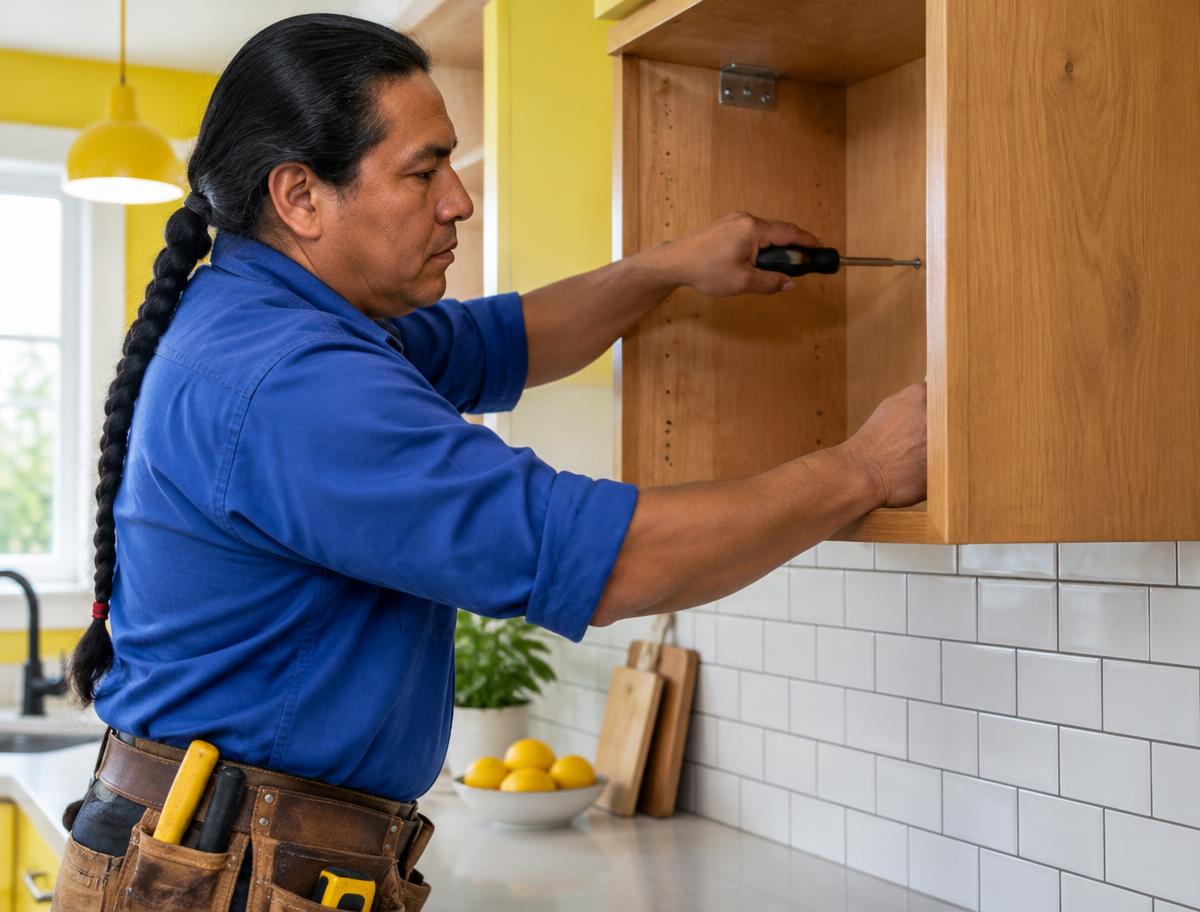
Building a practical kit
A sensible contractor kit includes red #2 and green #1 screwdrivers, a stubby #2 for tight spaces, and a set of #1, #2 and #3 bits for the drill or impact driver. Add yellow and orange sizes if you do cabinet hardware or fine work. Explore ROK Hand Tools and compare the sizes listed on each product.
Frequently asked questions
What size is a red Robertson screwdriver?
Red is the common colour for a #2 Robertson, which fits most #8 to #10 gauge screws.
What size is a green Robertson?
Green usually marks a #1 Robertson, suited to #5 to #7 gauge screws such as hinge and electrical device screws.
What does a black Robertson fit?
Black typically marks a #3, used for larger #12 to #14 gauge screws in heavier fastening.
Are Robertson colours the same on every brand?
They are a widely followed convention, but not guaranteed. Always check the size printed on the tool or bit.
Why does my Robertson bit keep stripping screws?
The tip is usually the wrong size or worn. Use the matching size, push in line with the screw and replace rounded bits.
Is Robertson only used in Canada?
It was invented in Canada and remains most popular here, but square-drive screws are now sold widely across North America.
For related products, explore ROK Hand Tools.