
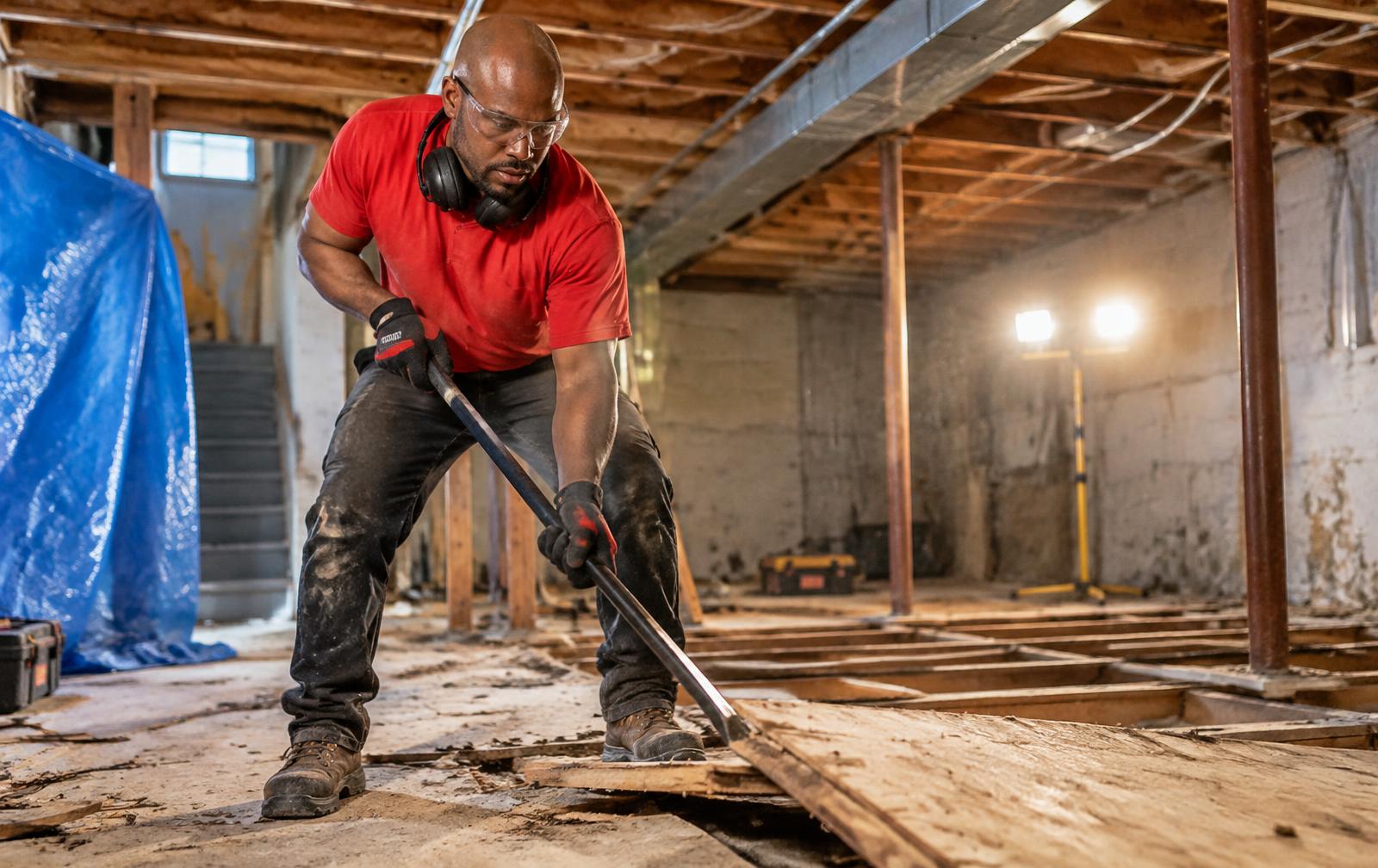
Pry bar vs. crowbar vs. flat bar: the quick answer
All three are levers, but they are shaped for different jobs. A **crowbar** or **wrecking bar** is long and heavy with a gooseneck hook for maximum leverage on framing, subfloor and heavy demolition. A **pry bar** is a mid-length bar, often with a rolling head or angled claw, for pulling nails and separating boards. A **flat bar** is thin and wide, made to slip behind trim, baseboard and casing without crushing the wall.
Choose the smallest bar that will do the job safely. More leverage than you need can split wood, tear drywall and damage finishes you meant to keep.
How leverage works
A bar multiplies force by putting the fulcrum close to the load and your hands far from it. A longer bar gives more lift for the same effort, which is why heavy wrecking bars excel on subfloor and framing. A short bar gives more control, which is what you want near painted walls and finished floors.
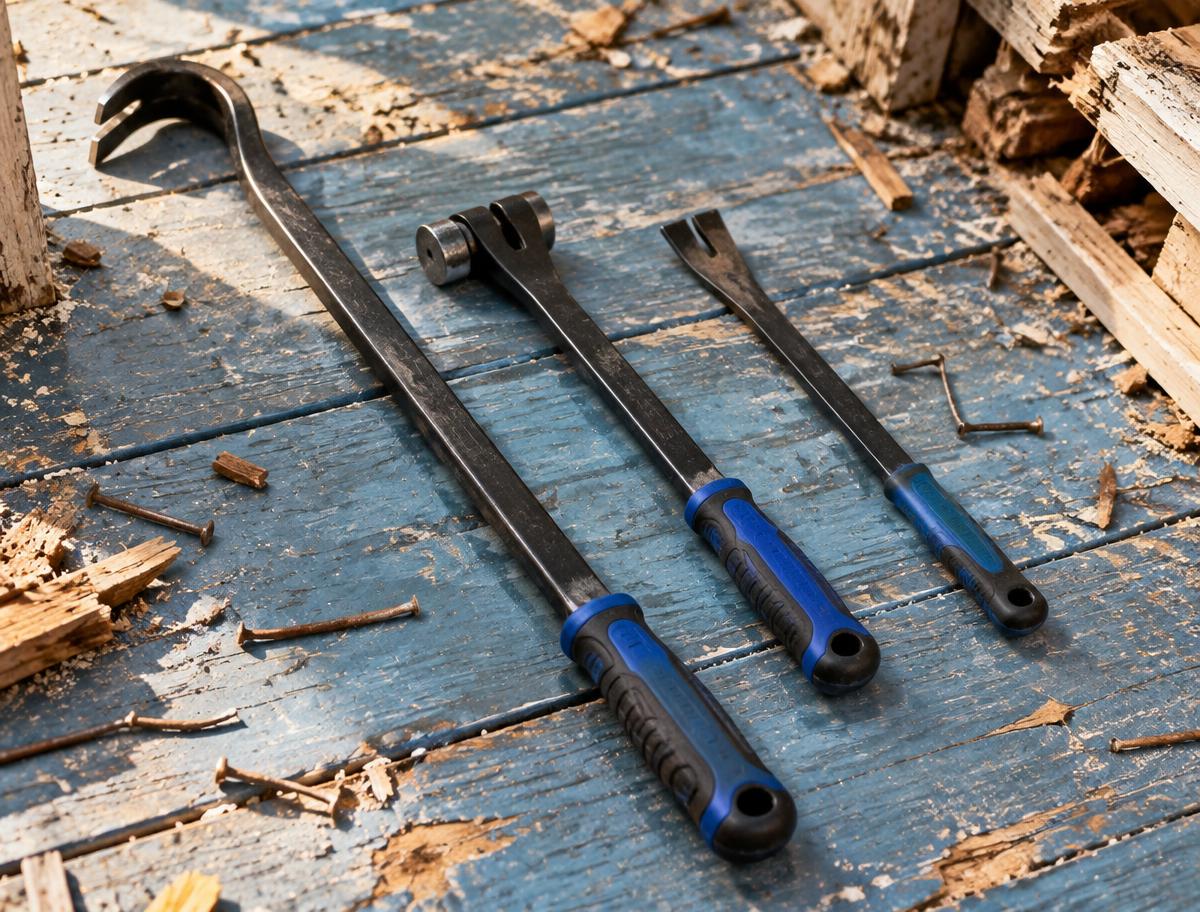
Compare demolition bars by task
| Bar type | Typical shape | Best applications | Main trade-off |
|---|---|---|---|
| Wrecking bar / crowbar | Long, heavy, gooseneck hook and chisel end | Subfloor, framing, decking, fence boards, heavy demolition | Too much force for trim and finished surfaces |
| Rolling-head pry bar | Mid-length with a curved head that rocks on the work | Pulling nails, separating boards, general renovation | Less reach than a full wrecking bar |
| Flat bar / utility bar | Thin, wide, flat blade with nail slots | Baseboard, casing, moulding, cabinets, siding | Not built for heavy structural prying |
| Cat's paw / nail puller | Short with a sharp claw | Digging out embedded nails | Leaves marks; limited prying force |
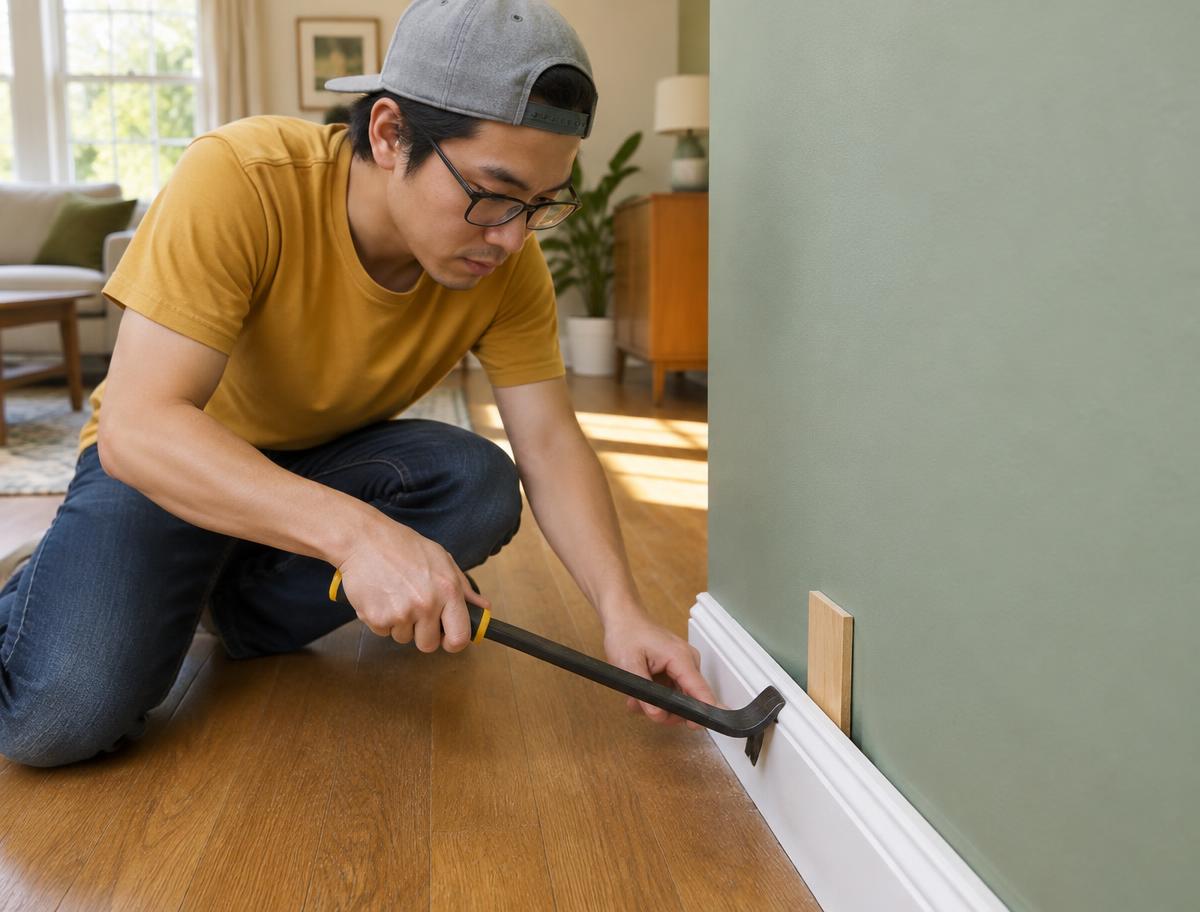
Removing trim without damage
Slide a thin flat bar behind the trim near a nail, and protect the wall with a wood shim or putty knife behind the bar. Pry gently, move along to the next nail and work the board loose in stages rather than forcing one end. Score painted caulk lines with a utility knife first so the paint does not peel off the wall.
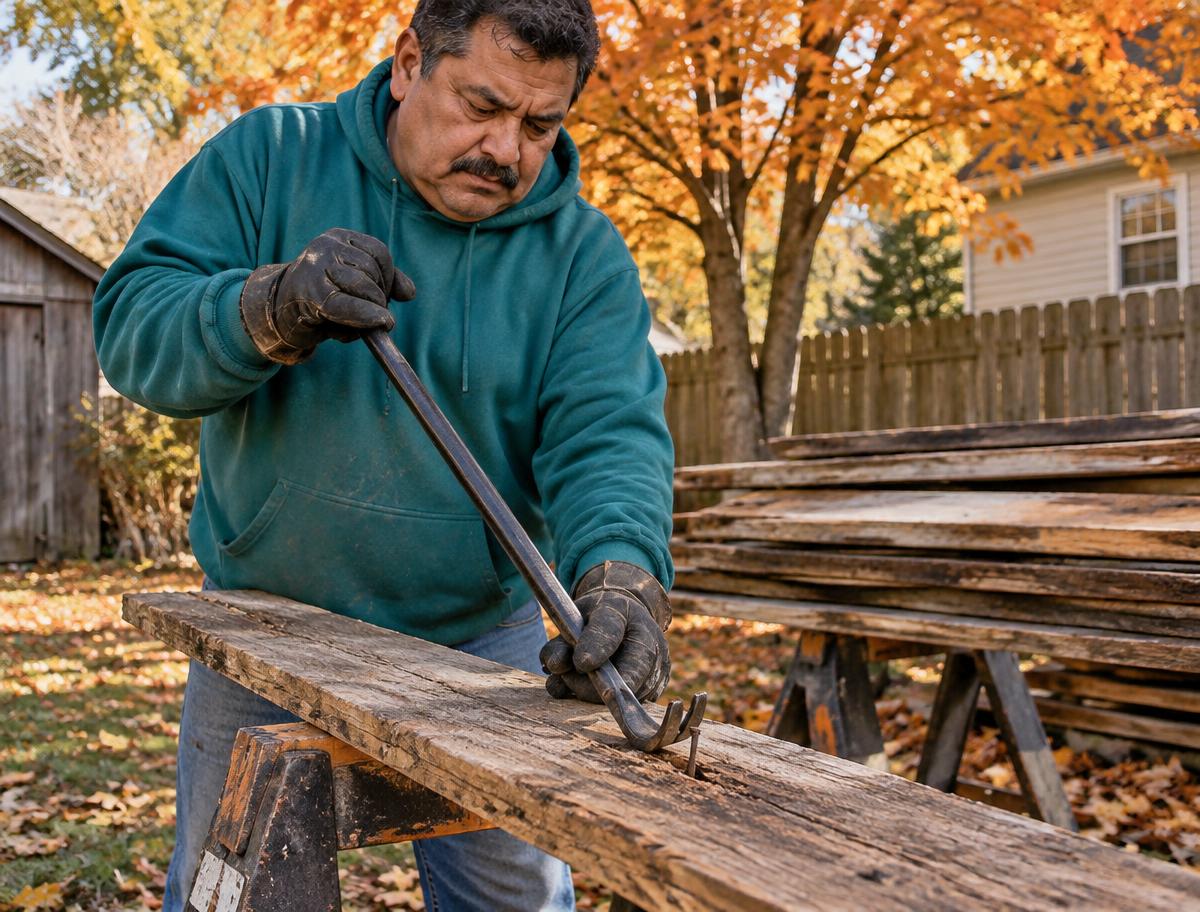
Pulling nails and salvaging boards
A rolling-head pry bar pulls nails with a smooth rocking motion. Set the claw under the nail head and roll the bar back over its curved head. For long or rusted nails, add a small block under the head to raise the fulcrum and finish the pull. This approach is ideal for salvaging reclaimed wood, decking and pallet boards.
Heavy demolition
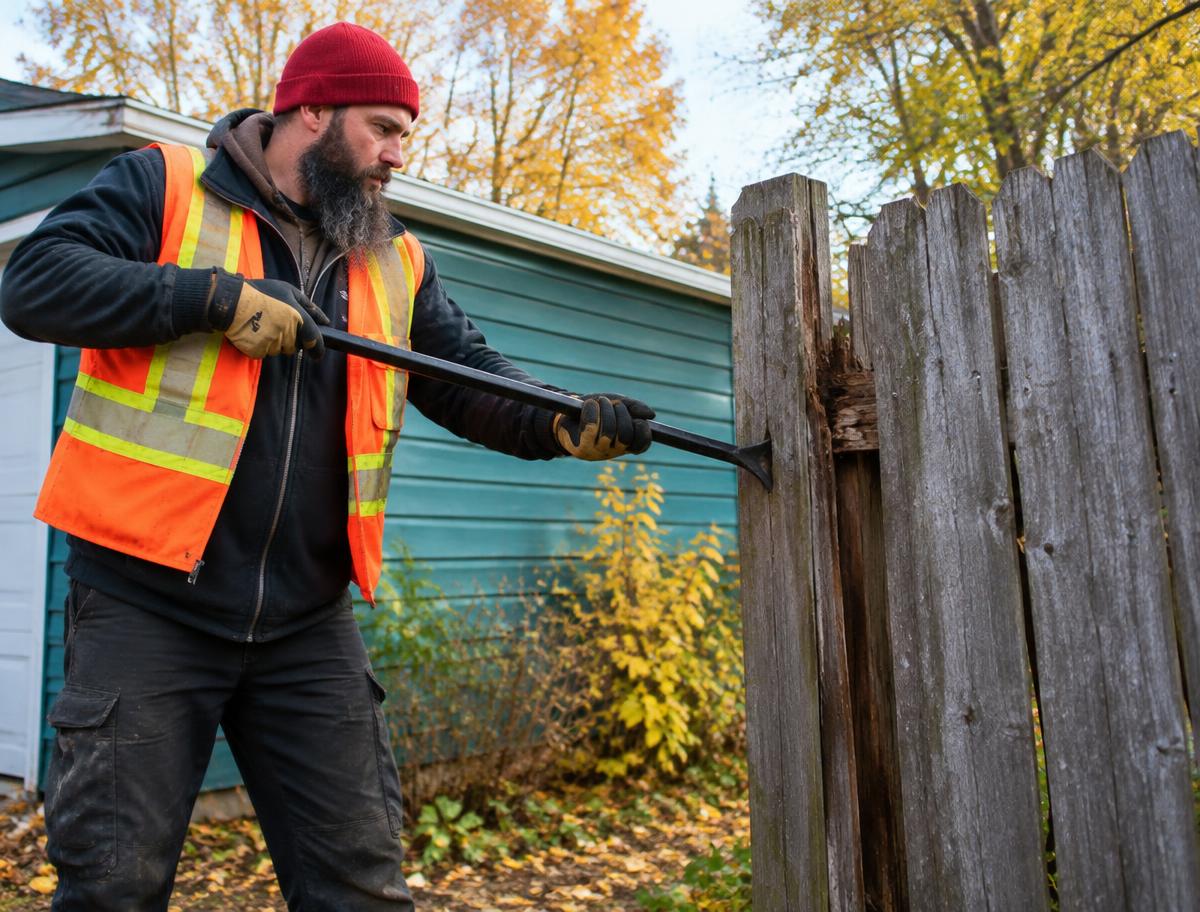
For subfloor, framing and fence work, use a full-length wrecking bar. Drive the chisel end into the seam, then use the gooseneck for lift. Keep your body out of line with the bar in case it slips or the material breaks suddenly. Check for hidden wiring, plumbing and gas lines before prying into walls and floors.
Safety and a practical kit
Wear safety glasses and gloves, and keep bystanders clear of flying nails and splinters. Never use a cheater pipe on a bar not designed for it, and do not strike a bar with a hammer unless the manufacturer says it is designed to be struck. A useful kit includes a flat bar for trim, a rolling-head pry bar for nails and boards, and a wrecking bar for heavy work. Explore ROK Striking Tools and compare the length and features listed on each product.
Frequently asked questions
Is a pry bar the same as a crowbar?
Not quite. A crowbar is a long, heavy pry bar with a gooseneck hook. "Pry bar" covers the whole family, including shorter rolling-head and flat bars.
What is a flat bar used for?
A flat bar slips behind trim, baseboard and moulding to remove them with minimal damage to walls and finishes.
Which bar is best for removing baseboard?
A thin flat bar used with a shim or putty knife to protect the wall.
Can I hit a pry bar with a hammer?
Only if the manufacturer states it is designed to be struck. Otherwise the bar could chip or the hammer could glance off.
What length wrecking bar should I buy?
Longer bars give more leverage for subfloor and framing, while shorter bars are easier to control. Many contractors keep one of each.
How do I pull a nail without damaging the wood?
Use a rolling-head pry bar and place a thin block under the head to protect the surface and improve leverage.
For related products, explore ROK Striking Tools.